HERBAL TRADITIONS • 3 MIN READ
Understanding Traditional Herbal Categories: Nervines, Bitters, Aromatics & Adaptogens
Explore the seven classical actions used by herbalists and culinary traditions to organize the plant kingdom by flavor, energetics, and preparation.
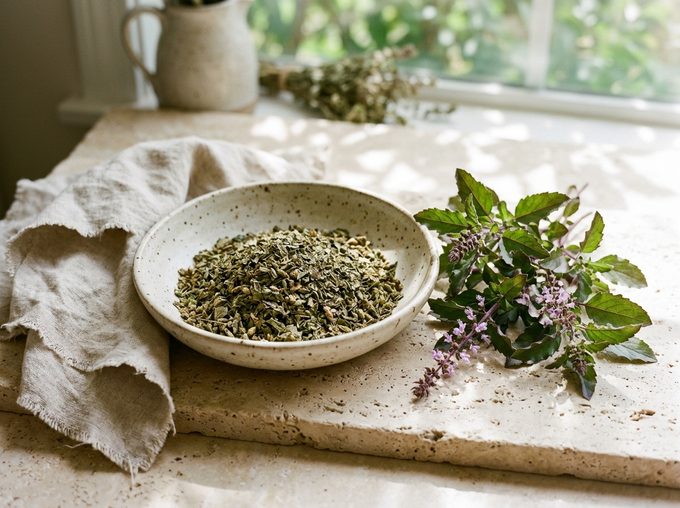
1. Nervines, Aromatics & Adaptogens
Traditional European and North American herbals classify gentle evening blossoms like chamomile, lemon balm, and linden as calming nervines; essential-oil rich Lamiaceae herbs like thyme, sage, and rosemary as volatile aromatics; and hardy roots and fungi like ashwagandha, rhodiola, and reishi as adaptogens.
2. Bitters, Carminatives, Demulcents & Tonics
Bitter taproots (dandelion, burdock) and aromatic carminative seeds (fennel, cardamom, ginger) anchor the digestive tradition. Mucilage-rich marshmallow root and mullein leaf represent soothing demulcents, while mineral-dense spring nettle and autumn elderberries represent nutritive tonics.
REFERENCE SPECIMEN TABLE
Representative Botanicals & Extraction Parameters
| Botanical & Binomial | Plant Part | Key Phytochemicals | Organoleptic Palate & Aroma | Dose & Steep (8 oz) |
|---|---|---|---|---|
| Common Thyme Thymus vulgaris |
Aerial leaves & flowering tops | Thymol, Carvacrol, Linalool, Rosmarinic acid | Pungent, earthy, and camphoraceous with a warming clove-like thymol bite and a dry, slightly astringent finish. | 1.5 g – 2 g 200°F–205°F · 8–10 min |
| Garden Sage Salvia officinalis |
Whole or rubbed velvety leaves | Rosmarinic acid, Camphor, Cineole, Salvianolic acids | Savory, resinous, and slightly bitter-astringent with warm camphor, pine, and eucalyptus undertones and a velvety mouthfeel. | 1.5 g – 2 g (1 tbsp rubbed leaf) 200°F · 6–8 min covered |
| Rosemary Salvia rosmarinus |
Evergreen needles & flowering sprigs | Carnosic acid, Rosmarinic acid, 1,8-Cineole, Alpha-pinene | Crisp, piney, resinous, and invigorating with bright 1,8-cineole, camphor, and woody balsamic notes. | 1.5 g 200°F–205°F · 7–10 min covered |
| Peppermint Mentha × piperita |
Serrated aerial leaves | Menthol, Menthone, Menthyl acetate, Rosmarinic acid | Intensely brisk, sweet-herbaceous, and peppery at first sip, followed by a prolonged, clean menthol cooling sensation across the palate. | 2 g (1 heaping tbsp) 200°F · 7–10 min covered |
| Greek Oregano Origanum vulgare hirtum |
Dried leaves & flower buds | Carvacrol, Thymol, Rosmarinic acid, Beta-caryophyllene | Bold, fiery, savory, and peppery-warm with high carvacrol intensity that numbs the tip of the tongue slightly when chewed raw. | 1.5 g 200°F–205°F · 8–10 min covered |
| Sweet Basil Ocimum basilicum |
Tender leaves & flowering tops | Linalool, Eugenol, Estragole, Citral | Lush, sweet-spicy, and floral-anise with warm clove and sweet linalool top notes. | 2 g dried (1 tbsp) 195°F · 5–7 min covered |
| Bay Laurel Laurus nobilis |
Whole leathery dried leaves | 1,8-Cineole, Eugenol, Linalool, Costunolide | Deeply balsamic, woody, and savory-herbal with layered notes of eucalyptus, clove, pine, and nutmeg. | 2–3 whole dried leaves (cracked in half) 205°F–212°F gentle simmer · Simmer covered 10–12 min, then let stand 5 min |
| German Chamomile Matricaria chamomilla |
Whole flower heads | Apigenin, Chamazulene, Alpha-bisabolol, Flavonoids | Honey-sweet, crisp green-apple aroma with a soft, golden floral palate that turns mildly bitter only if over-steeped. | 2 g – 3 g (1.5 to 2 tbsp) 195°F–200°F · 5–7 min covered |
MORE FROM THE HERBARIUM JOURNAL & APOTHECARY TOOLS
Infusion vs. Decoction: Water Temperature & Steep Times for Leaves, Flowers and Roots →
Buying Dried Herbs: Latin Binomials, Cut-and-Sifted Grades & Freshness Checks →
How to Store Dried Herbs: Light, Heat, Humidity & Amber Glass Containers →
Understanding Traditional Herbal Categories: Nervines, Bitters, Aromatics & Adaptogens →
Caffeine-Free Evening Infusions: Chamomile, Lavender, Lemon Balm & Linden →
Botanical Blending: Pairing Earthy Roots, Floral Notes & Citrus Leaves →