Blue Vervain
Simpler's Joy • Slender Violet Spikes of Wet Meadow Traditions.
Explore the common forms, learn a little about the plant, and choose what suits your cupboard.
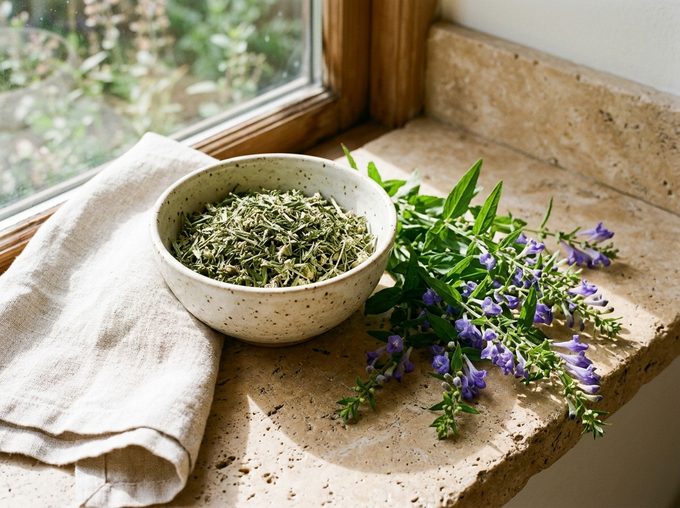
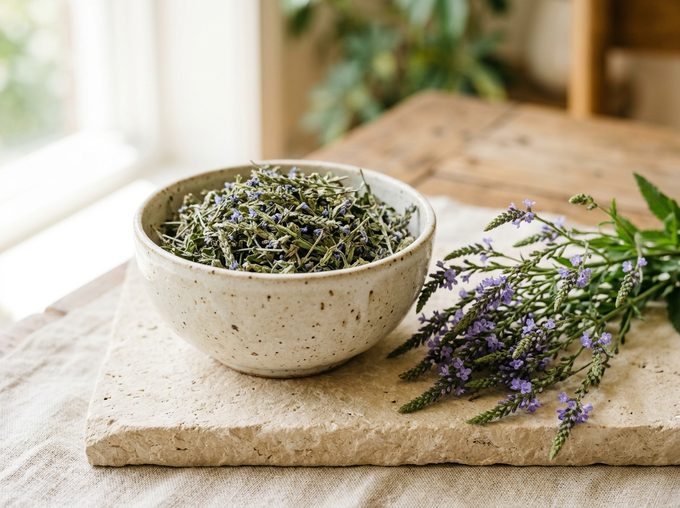
Whole dried blue vervain flowers for steeping and infusions.
A little about blue vervain.
The plant
Decidedly bitter and earthy-green with a clean, slightly astringent finish. Native to North America (Verbenaceae).
The forms
Most often prepared as a gentle nervine bitter infusion using 1 g – 1.5 g (1/2 to 1 level tsp dried aerial tops) at 195°F–200°F (90°C–93°C) (6–8 min covered (using too much makes the cup very bitter)).
Before you choose
Check the label for the Latin name (Verbena hastata), and choose the form that suits your cupboard.
Traditional uses & research +
Botanical taxonomy: Verbena hastata (Verbenaceae) · Tradition: Calming Nervines · Key constituents: Verbenalin, Hastatoside, Aucubin (Iridoid glycosides).
Curated collections: Evening Calm & Bedtime Infusions · Digestive Bitters & Warming Spices · Seasonal almanac: June Almanac (Midsummer Blossoms) · October Almanac (Autumn Roots).
Traditional background: Known in colonial North American herbals as 'Simpler's Joy' (a 'simpler' being a traditional gatherer of single medicinal plants), Verbena hastata is the native American cousin of European Verbena officinalis.
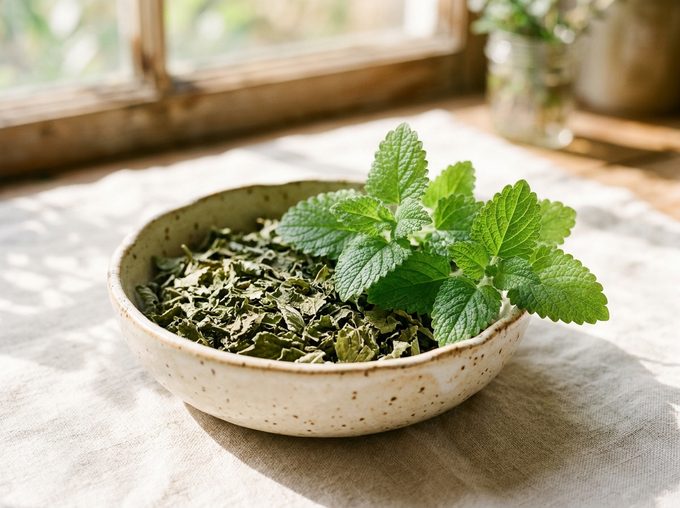
Everyday & kitchen uses: Used in small amounts in evening nervine teas and bitter tincture blends alongside skullcap and lemon balm.
Standard preparation methods (compare all 50 steeping temperatures):
- Gentle Nervine Bitter Infusion (1 g – 1.5 g (1/2 to 1 level tsp dried aerial tops) at 195°F–200°F (90°C–93°C)): 6–8 min covered (using too much makes the cup very bitter)
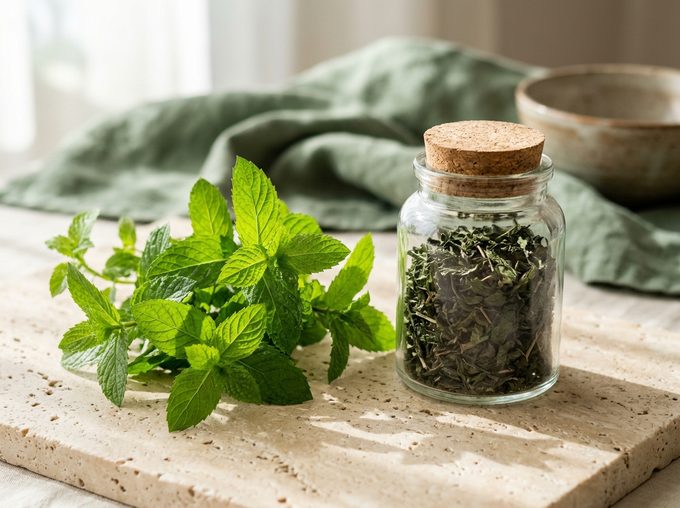
- Balanced Evening Tension Blend (1/2 tsp blue vervain + 1 tbsp lemon balm + 1 tsp peppermint + honey at 200°F covered steep): Mint and lemon balm balance vervain's crisp bitterness
- Drop-Dose Tincture Method (1:5 dried flowering spikes in 45% alcohol at Dark glass maceration): 5–15 drops in water allows precise bitter dosing
Cautions & interactions +
Who should use caution: STRICTLY CONTRAINDICATED DURING PREGNANCY (verbenalin has uterotonic activity, though traditionally used by midwives only during active labor/postpartum). High doses (more than 1–2 teaspoons per cup) are emetic (can cause stomach queasiness due to strong iridoid bitterness).
Species & lookalike verification: NAME CONFUSION ALERT: Do not confuse American Blue Vervain (Verbena hastata) or European Vervain (Verbena officinalis)—which are intensely bitter, unscented purple-flowering meadow herbs—with Lemon Verbena (Aloysia citrodora, formerly Lippia citriodora)! In French, Lemon Verbena is called 'Verveine Odorante' and brews a sweet, candy-lemon café tea, whereas true Blue Vervain (Verbena hastata) has lance-shaped leaves with basal lobes ('hastata' = spear-shaped), candelabra spikes of tiny violet-blue flowers, and tastes sharply bitter.
Cupboard storage (amber glass guide): Keep dry and protected from light.
Sources & further reading +
Why did my 'Vervain' tea taste strongly bitter instead of lemony?
Because English and French use almost the same word for two completely different plants in the Verbenaceae family! If you ordered 'Verveine' in a Paris café, you drank Lemon Verbena (Aloysia citrodora), a sweet, lemon-scented shrub. Blue Vervain (Verbena hastata) and European Vervain (Verbena officinalis) contain zero lemon oil and are prized specifically as bitter relaxing nervines.
What kind of person or tension pattern is Blue Vervain traditionally matched to?
North American clinical herbalists famously describe Blue Vervain as the premier herb for 'list-makers and perfectionists who carry all their stress in a tight neck, clenched jaw, and rigid shoulders'—people who struggle to put down their work at the end of the day.
Why should you only use 1/2 teaspoon of Blue Vervain in a teapot?
Blue Vervain's active iridoid glycosides (verbenalin and hastatoside) are potent at very small doses. Using 1/2 teaspoon blended with 2 teaspoons of lemon balm or chamomile gives you the full relaxing benefit without overwhelming bitterness.
Why do Blue Vervain flowers bloom in a ring that moves slowly up the spike?
The word 'hastata' refers to its spear-like spikes: only a narrow ring of violet blossoms opens at a time, marching steadily from the bottom of the candelabra spike to the tip over several weeks of midsummer.
Companion Moss & Thyme guides & tools:
- Herbarium Journal: Evening Botanical Tea Rituals & Blending →
- Equipment Guide: Best Loose-Leaf Tea Infusers & Gooseneck Kettles →
- Interactive Calculator: Interactive 3-Part Tea Blend Synergy Builder →
Botanical references:
- Royal Botanic Gardens, Kew — Plants of the World Online: Verbena hastata Taxonomic Record ↗
- PubChem / NIH National Library of Medicine: Phytochemical Profile (Verbenalin) ↗
- European Medicines Agency (EMA) HMPC & German Commission E Herbal Monographs.
See the herb in context.
Watch our video guide The Most Powerful Herbs in the World, Explained and explore the plants it introduces.
Explore another herb.